*Lavazza is not affiliated with, endorsed or sponsored by Nespresso
To create a great cup of coffee, all you need are three things: coffee, water, and a filter. However, in today’s specialty coffee world, the way these elements interact dictates everything from mouthfeel to the final flavor profile.
As James Freeman, co-author of The Blue Bottle Craft of Coffee (2012), states: "If you buy good coffee and want to prepare it well, you have to choose a method that lets you express your dedication, skill, and enthusiasm."
With an abundance of ways to brew coffee at home, it’s easy to feel overwhelmed. Below, we break down the most popular coffee brewing methods, the technical differences, and the golden rules to elevate your daily ritual.
Before diving into specific brewers, every coffee lover must master the fundamentals. A balanced extraction prevents your cup from tasting unpleasantly sour (under-extracted) or harsh and bitter (over-extracted).
When exploring manual brewing, methods generally fall into two main categories: Immersion and Percolation (Pour-Over).
Immersion methods (e.g., French Press, AeroPress) involve steeping the coffee grounds entirely in water for a set amount of time before filtering. This continuous contact time extracts more coffee oils, resulting in a more heavy-bodied, rich, and textured cup.
Pour-Over / Percolation methods (e.g., V60, Chemex, Drip) involve pouring water continuously over a bed of coffee. The water passes through the grounds and a paper filter with the help of gravity. This process holds back the heavy oils, yielding a clean, bright cup that highlights complex flavor notes and acidity.
If you are deciding between these two iconic methods, the choice comes down to your preference on two main factors: texture and clarity.
| Choose an Immersion Method (like French Press) if you prefer a full-bodied, robust, and earthy coffee with a heavier mouthfeel; the metal mesh lets oils and microscopic fines pass into your mug. | Choose a Pour-Over (like #the V60) if you want a clean, bright, and more tea-like cup that highlights delicate fruity and floral notes, as the paper filter removes insoluble particles and oils. |
Use this comparative table to quickly identify the best method for your taste preferences and technical skill level:
| Brewing Method | Grind Size | Brew Ratio (Coffee:Water) |
Extraction Time | Aromatic Profile | Complexity Level |
|---|---|---|---|---|---|
| French Press | Coarse | 1:15 | 4 - 5 mins | Full-bodied, heavy, earthy | Low |
| AeroPress | Medium - Fine | 1:12 to 1:15 | 1:30 - 2:30 mins | Smooth, versatile, rich | Medium |
| Hario V60 | Medium - Fine | 1:15 to 1:17 | 2:30 - 3:30 mins | Bright, clean, fruit-forward | High |
| Chemex | Medium - Coarse | 1:16 | 4:00 - 5:00 mins | Extremely clean, tea-like, delicate | Medium - High |
| Automatic Drip | Medium | 1:16 | 4 - 6 mins | Balanced, consistent, clear | Low |
| Espresso | Very Fine | 1:2 | 25 - 30 secs | Syrupy, intense, highly concentrated | Very High |
| Moka Pot | Medium - Fine | ~ 1:8 | 2 - 4 mins | Strong, velvety, bold | Medium |
| Cold Brew | Coarse | 1:8 to 1:12 (but it can be 1:4 for concentrate) | 12 - 24 hours | Sweet, extremely low acidity, smooth | Low |
| Cowboy Coffee | Extra Coarse | 1:15 to 1:16 | 4 - 5 mins | Heavy-bodied, bold, rustic | Low - Medium |
In specialty coffee, mastering a brewing method means understanding the physics of extraction. For the ultimate enthusiast, dialing in a coffee often involves a refractometer to measure Total Dissolved Solids (TDS) and hitting an optimal Extraction Yield (EY) between 18% and 22%, mathematically defined as:
EY = (Yield × TDS) / Dose
Whether you are chasing a perfect extraction or just a clean cup, here is the technical breakdown of how each brewer functions.
Pour-over methods rely on gravity-fed percolation, continuously washing fresh water over the coffee bed. This creates a high extraction gradient.
Modern specialty drip coffee makers mimic the manual pour-over process with automated thermal precision.
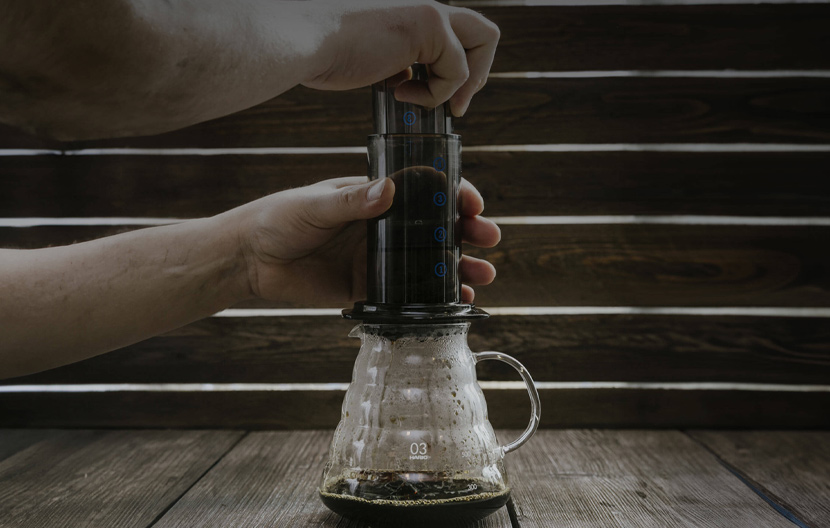
Invented by an engineer, the AeroPress is a highly efficient hybrid brewer.
While often seen as a basic home brewer, the French Press is a powerful tool for tasting a coffee's true, unadulterated profile due to its 100% lipid retention.
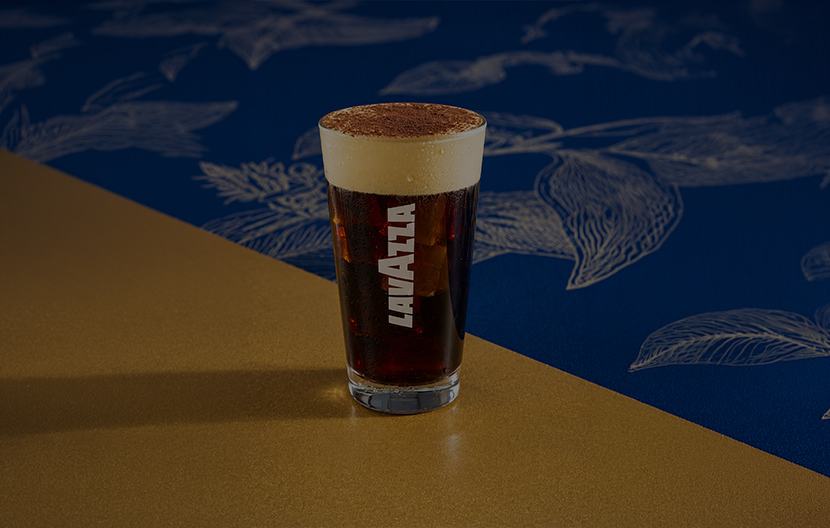
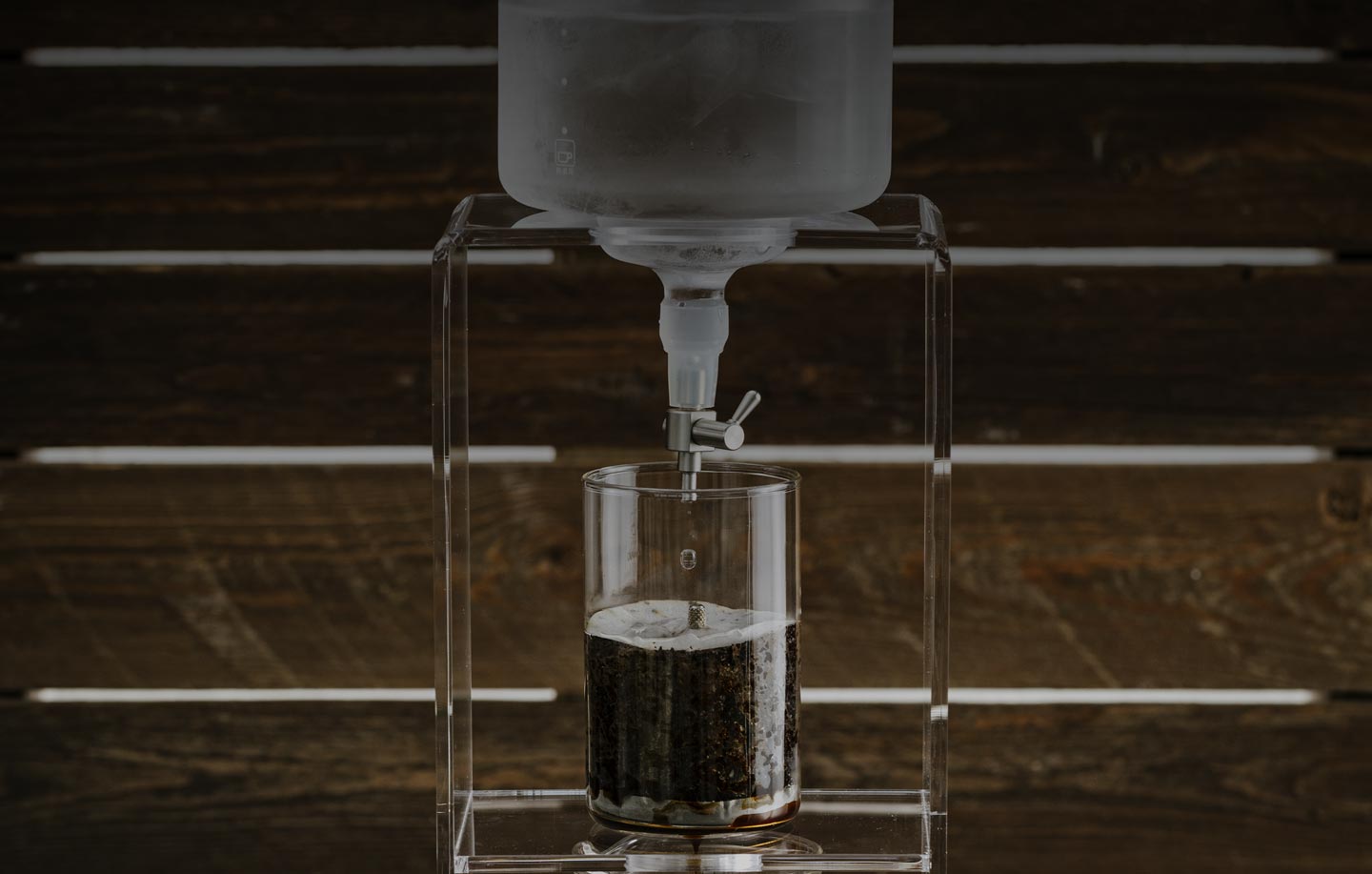
Cold brew completely removes heat from the extraction equation, fundamentally altering which chemical compounds are dissolved into the water.
Espresso is the most volatile and technically demanding extraction method, relying on highly pressurized water (typically 9 bars) forced through a compacted puck of finely ground coffee.
The traditional Moka Pot operates on vapor pressure, pushing water up from the boiler through the coffee basket.
Cowboy Coffee is technically a form of unfiltered, open-vessel brewing—sharing its foundational extraction physics with traditional Ibrik or cupping methods.
Different brewing methods require specific grind sizes to thrive. For a fine-grained, consistent coffee, Espresso needs a very fine grind (like powdered sugar). The Moka Pot requires a slightly coarser, medium-fine grind. Pour-overs like the V60 need a medium-fine grind (like table salt), while the French Press benefits from a coarse grind (like coarse sea salt) to avoid over-extraction and sludge. Cowboy Coffee requires an extra-coarse grind to accommodate its extended contact time.
As you search for the right method, bear in mind that experimentation is part of the craft. Adjust your grind size, tweak your water temperature, and discover new ways to bring the best out of your favorite beans!
The French Press and Automatic Drip machines are the most forgiving for beginners. The AeroPress is also highly recommended for its versatility, ease of use, and incredibly simple cleanup.
No. While it produces a strong, concentrated coffee, a Moka Pot generates only 1 to 2 bars of pressure. True espresso requires a machine capable of generating 9 bars of pressure to emulsify oils and create a thick crema.
Absolutely. Grind size determines how quickly water can extract flavors from the beans. If your coffee tastes sour, your grind is likely too coarse. If it tastes harsh and bitter, your grind is too fine.
Yes, but they will taste different. A light, fruity roast will shine in a V60 but might taste sour when brewed with a Moka Pot. Darker, chocolatey roasts often perform beautifully in an Espresso machine or French Press but can taste ashy in a Pour-Over. Match your roast profile to the strengths of your chosen brewer.