FREE SHIPPING ON ORDERS $50+
Back
cold brew coffee cold brew coffee

Everything you need to know about Cold Brew Coffee

By the Lavazza Team 2–3 minutes

As temperatures rise in warmer months, there is nothing better than a smooth, easy-to-prepare cold brew coffee! But let’s be honest: cold brew’s incredibly smooth, refreshing profile has made it a year-round staple for coffee lovers everywhere. At Lavazza, we have spent over a century perfecting the art of coffee, and we love how this slow and gentle brewing method brings out an entirely new flavor profile from our coffee.

In this guide, we will explain the science, the ideal recipe, and a few historical tidbits about this beverage.

What is cold brew coffee? How does it differ from iced coffee?

First of all, let’s make a crucial distinction: cold brew and iced coffee are two different things. Although they both involve coffee served over ice, they differ significantly in terms of preparation, taste, and acidity.

  • Iced coffee is traditionally brewed hot (using your standard method) and then immediately poured over ice to chill, or brewed directly over ice.
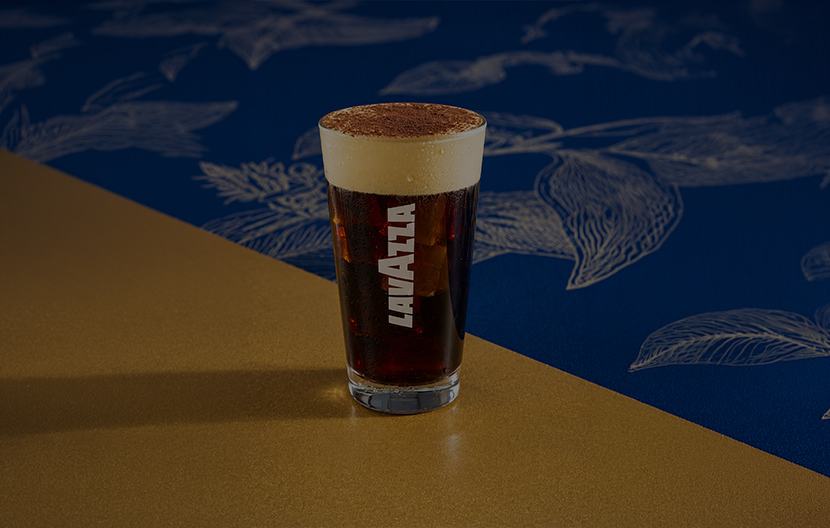
  • Cold brew, on the other hand, never touches hot water. It is made by submerging coffee grounds in cold or room-temperature water for an extended steeping process, usually lasting 12 to 24 hours, after which it is strained. This particular method creates a remarkably smooth drink, which can be enjoyed black, or combined with water or milk depending on your desired strength.

The science behind cold brew: why it's less acidic

Why does cold water make such a huge difference in the taste of your coffee? It all comes down to chemistry and oxidation.

Hot water extracts coffee compounds rapidly, including the oils and acidic notes that give a traditional hot espresso its characteristic bite. By using cold water, the extraction happens much more slowly. This gentle process leaves the bitter compounds behind in the grounds. The result is a low-acidity coffee that is easy on the stomach and the palate, naturally highlighting the sweeter, chocolatey notes of the coffee bean.

The ideal ratio: concentrate vs. ready-to-drink

To craft the perfect batch at home, a little pragmatism is key. The secret to a flawless extraction lies in your coffee-to-water ratio.

  • For cold brew concentrate: If you want to make a strong concentrate that you can store in the fridge and dilute later with water or your favorite milk, aim for a ratio between 1:4 and 1:8 (for example, 1 part coffee to 4 parts water).
  • For a ready-to-drink brew: If you prefer a lighter batch that you can pour straight from the pitcher over ice, go with a 1:12 or 1:15 ratio.

Using precise measurements guarantees a balanced, full-bodied cup every single time, without the guesswork.

Room temperature or fridge: where should you steep cold brew?

A common debate among coffee enthusiasts is whether to steep cold brew on the kitchen counter or in the refrigerator. The truth is, both methods can work, but they involve different steeping times. 

  • Steeping at room temperature extracts flavors faster, usually taking about 12 to 14 hours, resulting in a bold and robust profile.
  • Steeping in the fridge slows down the extraction significantly, taking 18 to 24 hours, but it yields a crisper, clean-tasting cup.

You can try both methods to see which profile your palate prefers!

Pay attention to water and shelf life

Remember that your final cup is 98% water. Since the cold brew method is a delicate, slow extraction, the quality of your water is important. For the best tasting results, always use filtered water. Avoid hard tap water, which can dull the flavor, and stay away from distilled water, as it lacks the essential minerals needed to properly extract the coffee's aromatic oils.

How long does cold brew coffee last?

Once filtered, your cold brew concentrate is incredibly resilient. Stored in an airtight glass container in the fridge, the pure coffee will stay fresh and flavorful for up to two weeks (10 to 14 days). Using glass is crucial, as plastic pitchers can absorb other food odors from your refrigerator, and the airtight seal protects the coffee from its biggest enemy: oxygen.

A word of caution: this 14-day shelf life only applies to the concentrate. Once you dilute a batch in a pitcher with water, or add milk or syrups, the acidity drops further and the mixture should be consumed within 2 to 3 days for maximum freshness.

What are the best coffee beans and grind size for the perfect cold brew?

Let’s make it clear: you can choose to use whichever roast or profile you most prefer. However, the secret to success here isn't just the bean, but the grind size.

You must use a coarse grind to see the best results. Because the coffee sits in water for up to 24 hours, using a fine espresso grind will lead to over-extraction, resulting in a bitter taste. A coarse grind ensures the water flows smoothly through the coffee, extracting maximal flavor.

Cold brewing lets different flavor profiles emerge from your beans, which is why you may discover you prefer different roasts for it than you do for hot coffee. Lighter roasts tend to play up acidic qualities, which are muted during cold brewing. That is why darker roasts turn out to be more suitable. A medium-dark roast (preferably a high-quality 100% Arabica blend) will provide a lovely nutty and chocolatey flavor, resulting in an enveloping and smooth aroma. Feel free to experiment with your favorite Lavazza blends to find out which choice matches your taste!

How to achieve a crystal-clear brew

Even with the coarsest grind, some fine dust (called "fines") will inevitably find its way in. To avoid a muddy or silty bottom in your glass, use the double-filtration method. First, strain your brew through a metal mesh sieve or a French press to remove the large grounds. Then, pass the remaining liquid through a paper coffee filter. This extra step takes a few more minutes but guarantees a silky, crystal-clear cold brew.

The origins of cold brew: from Kyoto to modern cafés

Who invented cold brew coffee? The first evidence of a coffee beverage made with cold water is found in Kyoto, Japan. It is known that the Japanese were brewing cold coffee as early as the 16th century. The beans likely reached Japanese coasts via Dutch merchants, who used cold water to brew coffee on their ships during long, fire-hazardous ocean crossings.

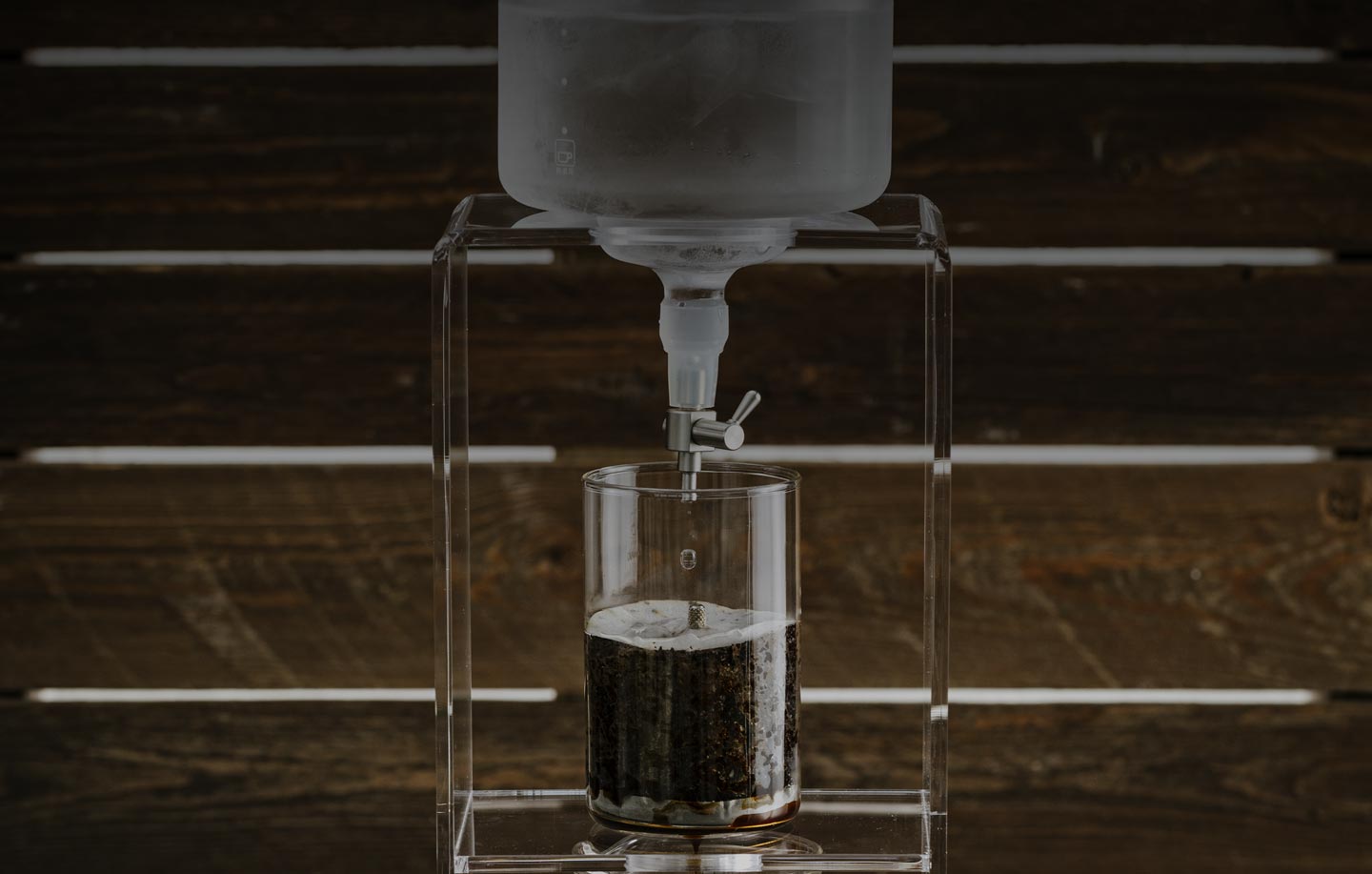
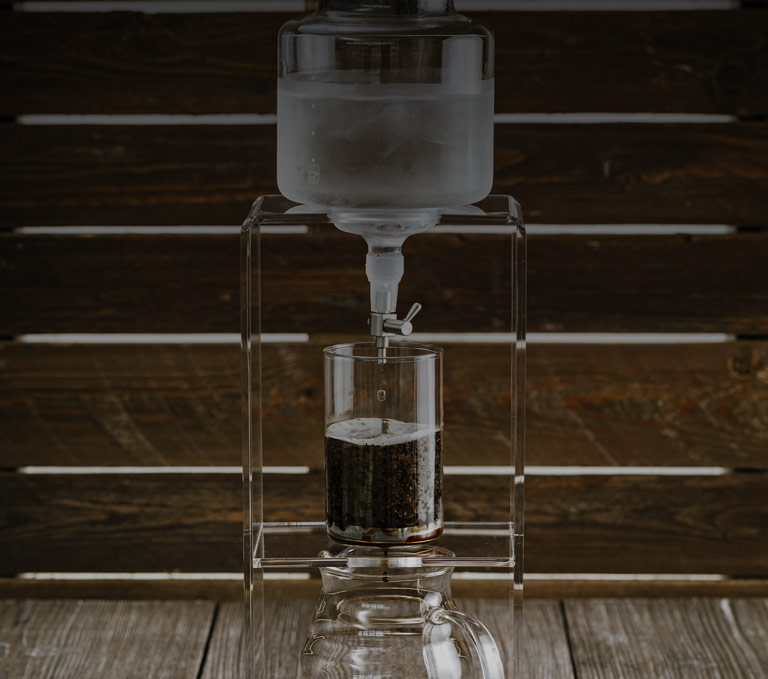
Instead of submerging grounds for hours, traditional Kyoto-style coffee is brewed drop by drop. Every single bead of water is slowly poured through the coffee grounds, giving birth to an enchanting and spectacular process.

From Thailand to Vietnam and India, many Asian countries have conceived their own versions of cold coffee beverages. As for the United States, cold brew coffee has skyrocketed in popularity over the last decade. In recent times, cold-brew systems have begun to appear in cafes and coffee shops. It is a very creative and intentional way to craft a delightful, elegant coffee experience that emphasizes the original characteristics of a single-origin coffee better than many other methods.

Contrary to what many might think, coffee has been enjoyed cold for ages. We are thrilled to observe this habit being widely embraced by coffee lovers and coffee shops alike. Grab your favorite blend, set your grinder to coarse, and enjoy the wait!


Recommended for this Recipe

Try this recipe with one of these suggested blends for the ultimate Lavazza experience

Tag us on Instagram @lavazzausa with #LavazzaCoffee

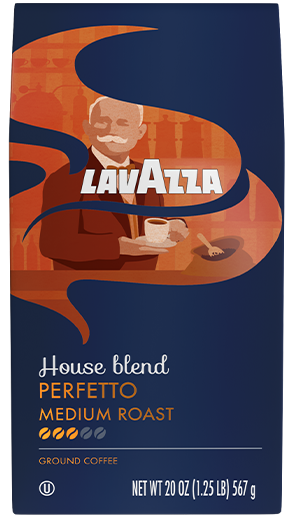
House Blend Perfetto Ground Coffee

Ground Coffee

House Blend Perfetto Ground Coffee

Intensity 3/5

$20.99

20 oz
1
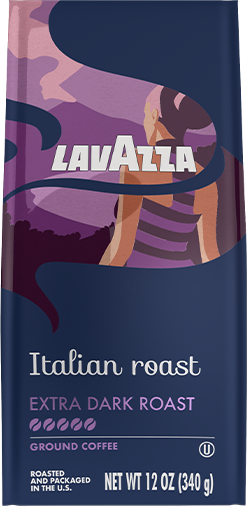
Italian Roast Ground Coffee

Ground Coffee

Italian Roast Ground Coffee

Intensity 5/5

$12.99

12 oz
1
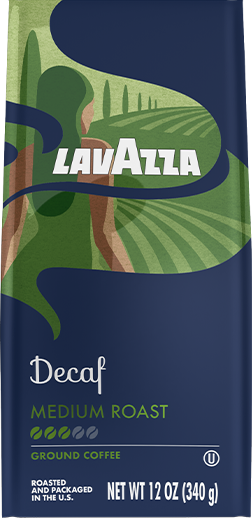
Decaf Ground

Ground Coffee

Decaf Ground

Intensity 3/5

$13.99

12 oz
1
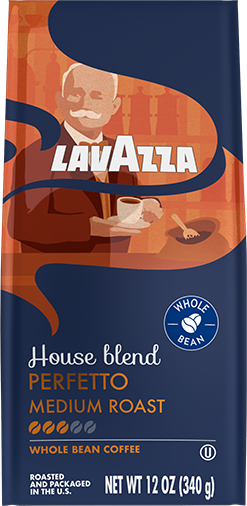
House Blend Perfetto Whole Bean

Coffee Beans

House Blend Perfetto Whole Bean

Intensity 3/5

$13.99

12 oz
1

DELIVERY

Fast delivery on all orders. Free delivery on orders over $50

Updates and promotions

Subscribe to our newsletter for updates and special promotions

Customer service

Do you need any help? Check out our FAQs or contact us

EVENTS

Learn more about our events in the USA. Don’t miss out!