






Personal Area
Personal Area
The history and variety of Italian Coffee
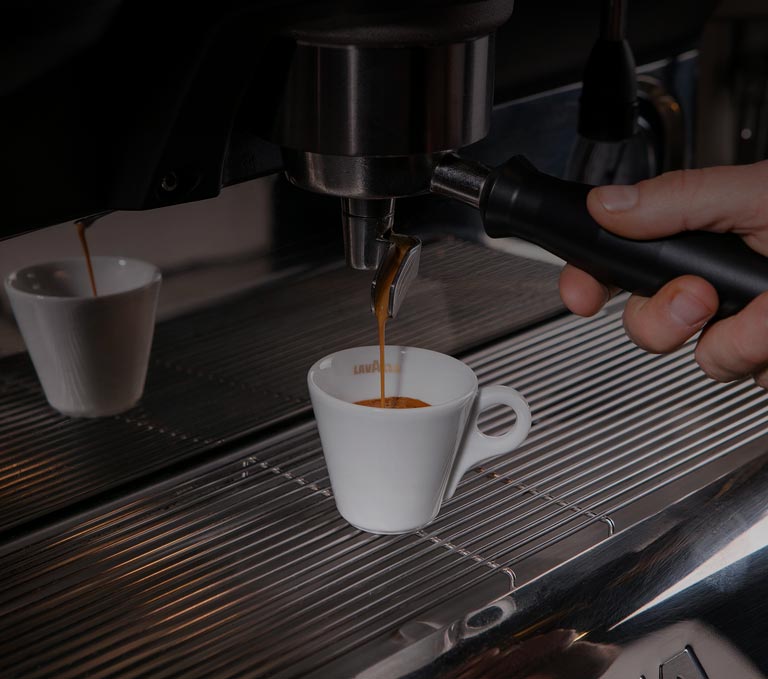
Coffee holds a revered status in Italy, where its consumption is not merely a routine, but a cherished tradition deeply ingrained in the country's culture. Italian coffee culture is world-renowned for its rich history, distinctive flavors, and diverse array of beverages. From the iconic espresso to the frothy cappuccino, Italian-style coffee delights both locals and visitors alike with its bold flavors and unparalleled quality.
The history of Italian coffee
From Yemen to Venice: how coffee arrived in Italy. The story of coffee in Italy begins in the 16th century, when trade routes across the Mediterranean brought the drink from Yemen and the wider Ottoman empire to the port cities of the Italian Peninsula. The Venetian botanist and physician Prospero Alpini was among the first to document the plant scientifically after encountering it during expeditions to Egypt. By the second half of the 1500s, coffeehouses had begun to appear in Venice and other Italian cities, quickly establishing themselves as gathering places for intellectuals, merchants, and artists.
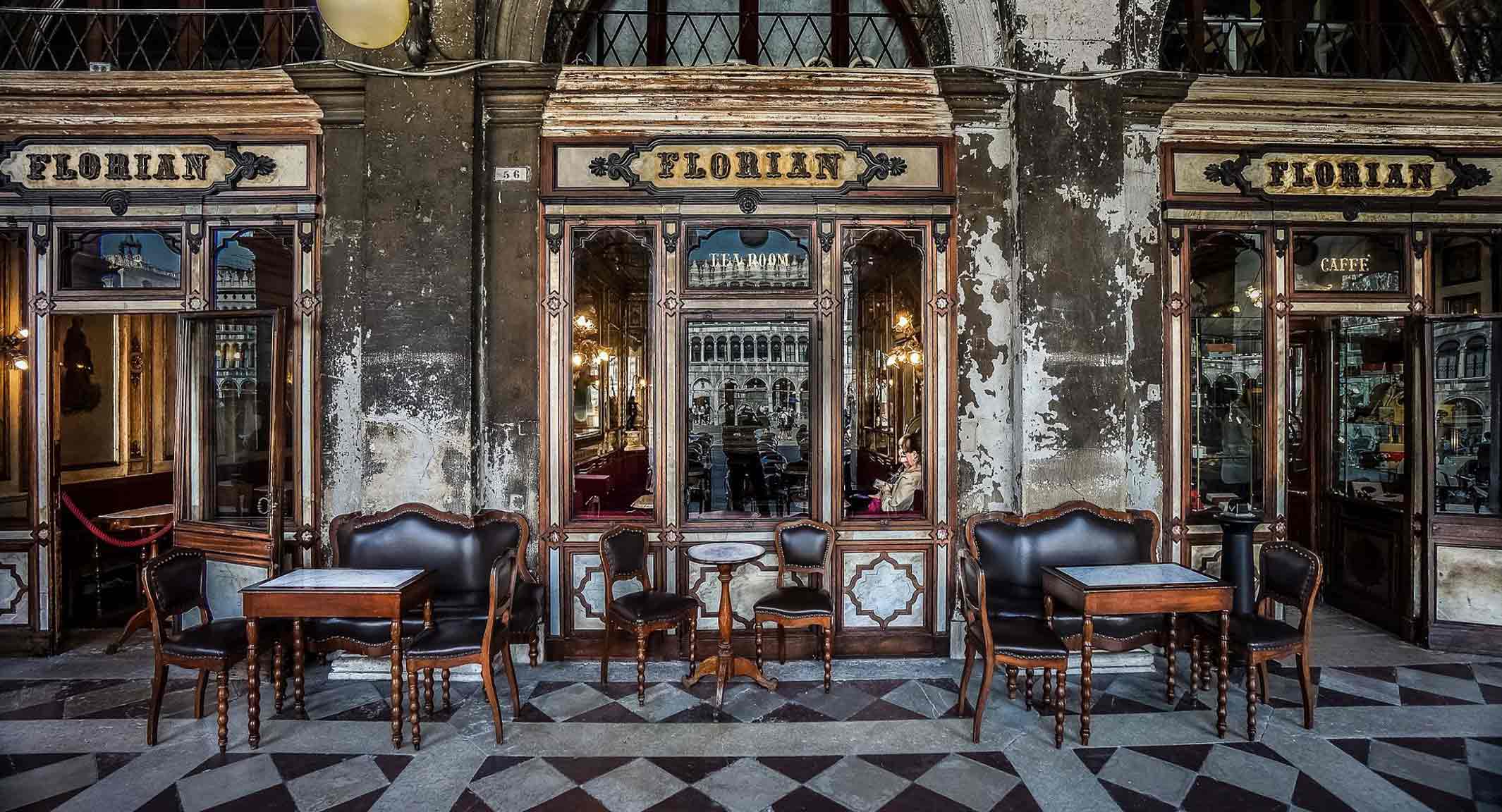
One of the oldest and most celebrated of these spaces is Caffè Florian, founded in 1720 in Venice's Piazza San Marco. It remains open today, and its list of regular patrons over the centuries reads like a history of European intellectual life: Goethe, Lord Byron, Giacomo Casanova. Caffè Florian set a precedent not just for coffee consumption but for the social function a coffee house could serve.
The invention of the espresso machine
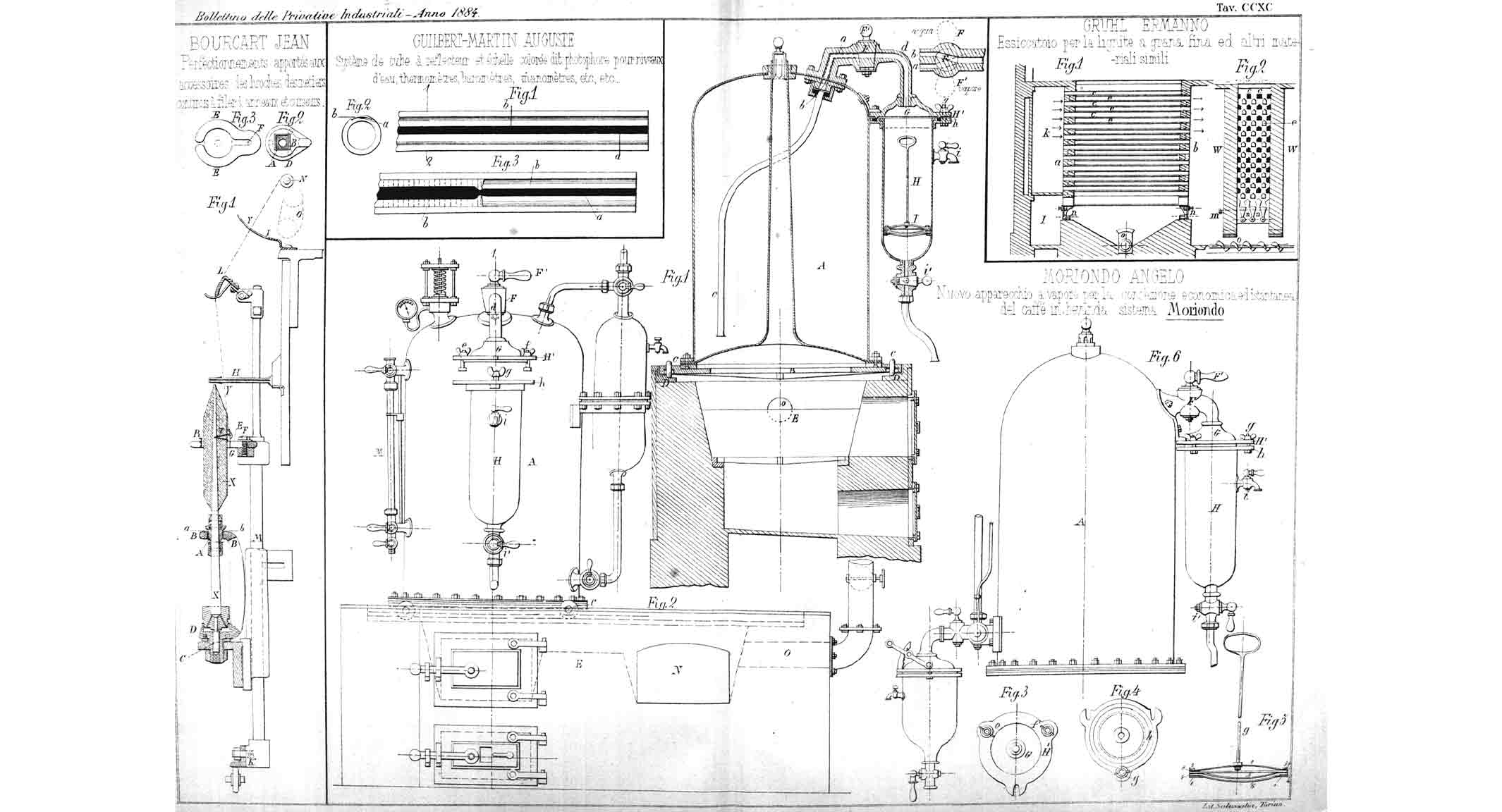
In 1884, the iconic Italian espresso machine was patented by Angelo Moriondo, revolutionizing the way coffee was prepared and consumed. This method, which used a combination of steam and boiling water to brew coffee, paved the way for the widespread popularity of Italian espresso, which quickly became synonymous with Italian coffee culture.
Easy to make and providing a near-instant boost, espresso rapidly became an emblem of the turn of the century, together with high-speed trains sharing its name. Espresso machines became popular in the “American bars,” where customers could stand at the counter instead of sitting at the table. The first one to be opened in Italy was the Caffé Maranesi, located in Florence, which was also known as Caffè dei Ritti, referring to the people who would stand inside and drink their coffee.
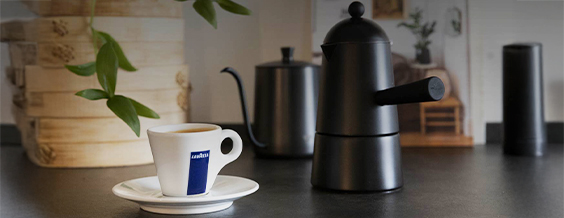
Nowadays, many Italian households still have a moka, a stove-top brewer able to extract a great tasting coffee within the walls of their home!
During World War II, coffee basically disappeared, due to the embargo that the League of Nations imposed on Fascist Italy and was replaced by surrogates like barley. Post-war, the first instance of the Italian style espresso as we know it can be traced back to the city of Turin, after which many took inspiration from and created their own versions and modifications, such as the barista Achille Gaggia in 1948. He introduced a new pressure extraction of coffee beans, a technique which also turned out to be important for the following history of Italian coffee, as it made it possible to obtain amore concentrated and aromatic drink with the distinctive crema on the surface.
After Achille Gaggia’s invention, many new professional coffee machines were conceived during the 1950s, when large companies began to produce and make available models that could be increasingly accessible to the public.
Today, Italy boasts a thriving coffee industry, with countless cafés and coffee bars, serving up a variety of meticulously brewed beverages to customers all day and night.
The definitive glossary of Italian coffee drinks
The Italian bar menu is not simply a list of beverages. It is a taxonomy of extractions, ratios, and social contexts. Each drink has a name, a specific technical definition, and an expected time of day. Here is every item you are likely to encounter.
Caffè (espresso)
- Volume: 25–30 ml (roughly 1 fl oz)
- Extraction: 25–30 seconds at 9 bar pressure, water at approximately 195°F
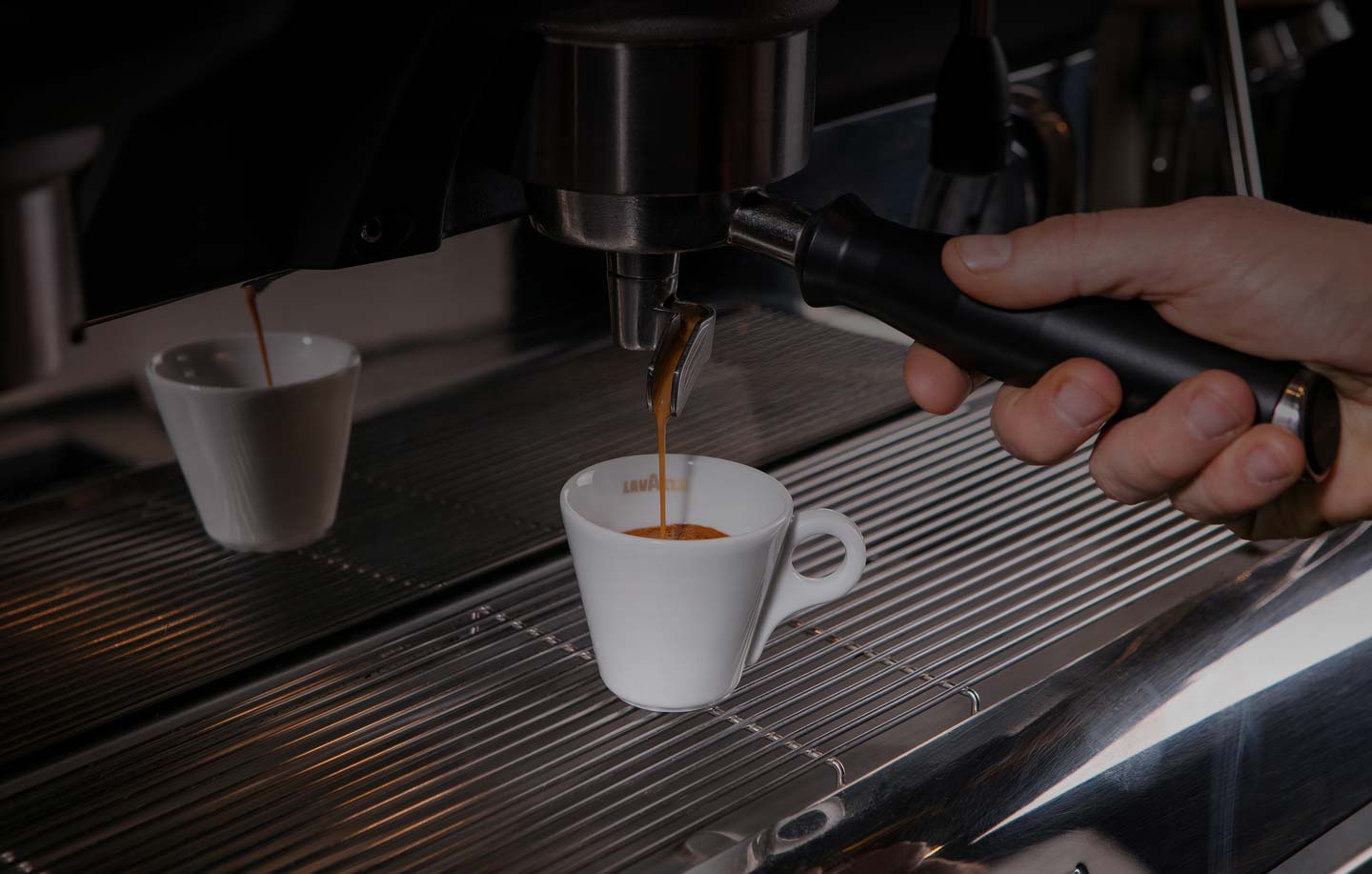
- Description: The default order. When an Italian asks for “un caffè”, this is what arrives. A single shot extracted under high pressure, producing a concentrated, aromatic liquid topped with a thin layer of crema. The crema is formed by CO₂ emulsified with oils during extraction and is the primary visual indicator of a well-made shot. Flavor is balanced: mild bitterness, low acidity, and a round body. Served in a small ceramic cup (tazzina) that is pre-heated to prevent thermal shock.
- When: Any time of day, but especially after meals.
Ristretto (lit. "restricted")
- Volume: 15–20 ml (roughly 0.5–0.7 fl oz)
- Extraction: Roughly the same dose as espresso (7–9g), half the water, and a shorter extraction time
- Description: The ristretto uses the same coffee and the same pressure as a standard espresso but halts the extraction early. Because the first phase of espresso extraction yields primarily the sweeter, more aromatic compounds — and the later phases extract progressively more bitter ones — a ristretto captures mostly the former. The result is a smaller, denser, sweeter shot with a heavier body and less bitterness than a standard espresso. Contrary to intuition, a ristretto contains slightly less caffeine than a full espresso because less total extraction has occurred.
- When: Any time; favored by those who want maximum aromatic intensity with minimum bitterness.
Lungo (lit. "long")
- Volume: 50–70 ml (roughly 1.7–2.4 fl oz)
- Extraction: Same dose as espresso, double the water, longer extraction time (up to 60 seconds)
- Description: The lungo is not a diluted espresso. It is a longer extraction using the same coffee puck, which forces more water through the grounds over a longer time. This draws out compounds that a standard espresso leaves behind, including more of the bitter, earthy notes from the later extraction phases. The result is higher volume, lower concentration, and more pronounced bitterness. It is not the same as a caffè americano, which is espresso diluted with hot water after extraction. A lungo is brewed long; an americano is brewed short then diluted.
- When: Morning or mid-morning; often preferred by those who want a slightly larger, less intense cup.
Doppio (lit. "double")
- Volume: 50–60 ml (roughly 1.7–2 fl oz)
- Extraction: Double the coffee dose (14–18g), double the water, same extraction time as a single shot
- Description: Two espresso shots pulled simultaneously through a double-basket portafilter. The doppio is the standard shot used as the base for most milk-based drinks in a professional bar setting. In Italy, it is less commonly ordered on its own than in the United States, where double shots became the default.
- When: Any time; often the base for cappuccino and latte preparations.
Macchiato
- Volume: 25–35 ml total (roughly 1–1.2 fl oz)
- Composition: Single espresso with a small amount of steamed milk poured on top
- Description: Caffè macchiato is an espresso "marked" by a small amount of steamed, foamed milk. The milk is not sweetened, not cold, and not a decorative pattern. It is a tablespoon or two of microfoamed whole milk added to soften the intensity of the espresso. The result is slightly creamier and rounder than a straight shot, with the espresso character still dominant. This is distinct from the latte macchiato (milk "stained" with coffee), which is a glass of steamed milk with a shot of espresso poured through it, which is a morning drink in Italy, not an afternoon one.
- When: Any time of day; popular as an after-meal option among those who find a straight espresso too intense.
Cappuccino
- Volume: 25–35 ml total (roughly 1–1.2 fl oz)
- Composition: Single espresso with a small amount of steamed milk poured on top
- Description: Caffè macchiato is an espresso "marked" by a small amount of steamed, foamed milk. The milk is not sweetened, not cold, and not a decorative pattern. It is a tablespoon or two of microfoamed whole milk added to soften the intensity of the espresso. The result is slightly creamier and rounder than a straight shot, with the espresso character still dominant. This is distinct from the latte macchiato (milk "stained" with coffee), which is a glass of steamed milk with a shot of espresso poured through it, which is a morning drink in Italy, not an afternoon one.
- When: Any time of day; popular as an after-meal option among those who find a straight espresso too intense.
Caffe Latte(not to be confused with "latte")
- Volume: 200–250 ml (roughly 7–8 fl oz)
- Composition: Single espresso with a larger proportion of steamed milk and minimal foam
- Description: The caffè latte is coffee with milk, in that order: coffee first, then milk added to extend and soften it. It is milkier than a cappuccino and served in a glass rather than a cup. In Italy, ordering simply un latte will get you a glass of cold milk. The word caffè is necessary.
- When: Morning only. This drink is rarely ordered after midday.
Latte Macchiato (lit. "stained ")
- Volume: 200–250 ml (roughly 7–8 fl oz)
- Composition: A tall glass of steamed milk with a shot of espresso poured slowly through the foam
- Description: The inverse of a caffè macchiato. Here, the protagonist is the milk; the coffee is added last, creating a visible layered effect as the espresso sinks through the foam before integrating with the milk below. The result is a milder, sweeter drink than either a cappuccino or a caffè latte, with more emphasis on the milk. Often served in a tall glass with a long spoon.
- When: Morning only; considered appropriate accompanying a light breakfast.
Marocchino
- Volume: 200–250 ml (roughly 7–8 fl oz)
- Composition: A tall glass of steamed milk with a shot of espresso poured slowly through the foam
- Description: The inverse of a caffè macchiato. Here, the protagonist is the milk; the coffee is added last, creating a visible layered effect as the espresso sinks through the foam before integrating with the milk below. The result is a milder, sweeter drink than either a cappuccino or a caffè latte, with more emphasis on the milk. Often served in a tall glass with a long spoon.
- When: Morning only; considered appropriate accompanying a light breakfast.
Caffè Corretto ("corrected coffee")
- Volume: 30–40 ml (roughly 1–1.3 fl oz)
- Composition: Espresso with a small measure of spirits; usually grappa, sambuca, or brandy
- Description: A standard espresso "corrected" with a shot of liquor. The addition is small, intended to add warmth and depth rather than to dominate. Grappa is the most traditional accompaniment in northern and central Italy; sambuca is more common in the south. The drink has deep working-class roots and was historically consumed in the morning by laborers as an early start to the day. Today it is more commonly enjoyed after lunch or dinner.
- When: After meals; occasionally morning in regional tradition.
Affogato ("drowned")
- Volume: Variable
- Composition: A scoop of vanilla gelato with a single hot espresso poured directly over top
- Description: Technically a dessert rather than a coffee drink, the affogato occupies the boundary between the two. The hot espresso partially melts the gelato, creating a warm-cold, bitter-sweet contrast. It is not made with ice cream in Italian tradition but with gelato, which has a lower fat content and denser texture that holds up better under the heat. The word affogato means "drowned," which describes exactly what happens to the gelato.
- When: After dessert, or as a dessert in itself; warm months or any occasion.
Shakerato
- Volume: 80–100 ml (roughly 2.7–3.4 fl oz)
- Composition: Espresso and ice shaken in a cocktail shaker, strained into a glass
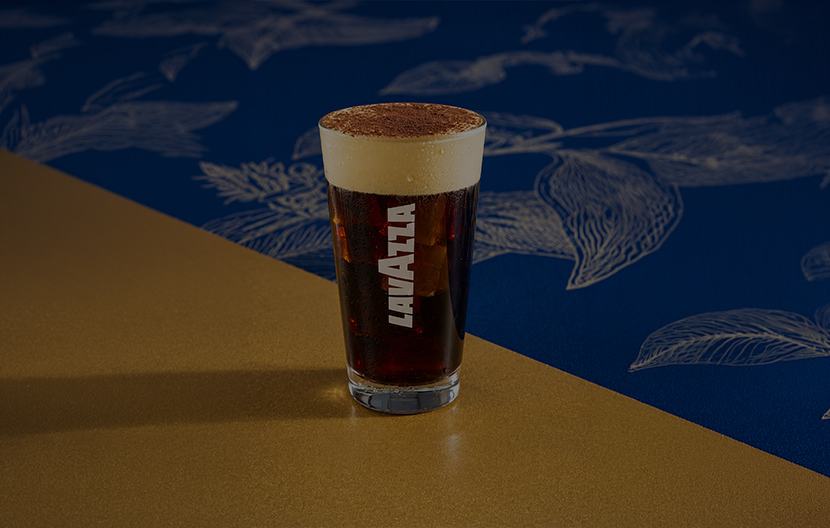
- Description: The Italian answer to iced coffee. One or two shots of espresso are combined with ice in a cocktail shaker, sometimes with a small amount of sugar, and shaken vigorously so that a cold foam forms on top. The drink is strained into a chilled glass. The result is cold, aerated, and smooth, with a texture no other cold coffee preparation achieves. This is a drink of Italian summer bars, not of commercial coffee chains.
- When: Warm-weather afternoons.
Bicerin (regional to Turin)
- Volume: 100–150 ml (roughly 3–5 fl oz)
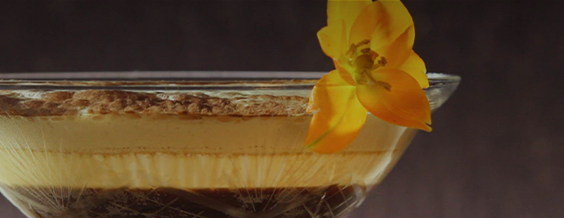
- Composition: Espresso, drinking chocolate, and whipped cream, layered in a glass
- Description: A historic Turin specialty documented since at least the early 19th century. The three layers remain visually distinct in the glass and are traditionally not stirred before drinking. The bicerin was a favorite of figures including Alexandre Dumas and Friedrich Nietzsche, who reportedly frequented the Caffè Al Bicerin near the Santuario della Consolata in Turin, where it has been served since 1763.
- When: Morning or mid-morning; a cold-weather ritual.
The unwritten rules of Italian coffee etiquette
The Italian bar is a social institution. Its rules are rarely posted, never enforced by signs, and immediately apparent to anyone who observes locals for more than five minutes. Understanding them is the difference between an outsider consuming coffee and someone genuinely participating in the culture.
Cappuccino is a morning drink
Perhaps the most famous rule in Italian coffee culture is also one of the least understood by visitors. Cappuccino, caffè latte, and latte macchiato are consumed at breakfast. The window closes around 11 a.m. in most of Italy. After that, and especially after meals, milk-based coffee drinks are considered a social and digestive misstep.
This is not arbitrary. Italian food culture is built around sequences designed to aid digestion. A cappuccino after lunch introduces a large quantity of warm milk into a digestive system already processing a full meal. Italians consider this heavy and unnecessary when a small espresso accomplishes the palate-cleansing function efficiently. Don’t worry, ordering a cappuccino after pasta at a traditional trattoria will not get you in trouble. But it will, however, have you identified as a tourist immediately.
Espresso is called caffè
In Italy, asking for un espresso is technically correct but immediately marks you as someone who learned Italian coffee vocabulary from a foreign source. Italians say “un caffè”. Espresso is simply the default, the reference point, the thing that "coffee" means. This linguistic detail reflects a broader cultural truth: in Italy, espresso is not a specialty preparation. It is coffee itself.
You stand at the counter
The al banco tradition, drinking coffee while standing at the bar counter, is not just a time-saving habit. It is the authentic Italian coffee experience. The experience is more immediate, more social, and more connected to the rhythm of the bar. You exchange a few words with the barista, finish your coffee in two or three sips, and move on. The average Italian espresso break takes under three minutes from entering the bar to leaving.
Coffee is not taken to go
The paper cup is an object of mild incomprehension in traditional Italian bars. Coffee is not a beverage to carry down the street. It is a small, complete pause in the day. Takeaway coffee culture has gained some traction in large urban centers like Milan and Rome, particularly among younger generations and in bars that cater explicitly to international visitors. At a traditional neighborhood bar, asking for coffee da portare via (to take away) is unusual. You are welcome to ask; do not be surprised if it is met with a small moment of recalibration.
Offering coffee is an act of hospitality in Italy, offering a guest coffee is among the first and most natural gestures of welcome, whether in a home, an office, or a professional setting. Declining the offer requires at least a brief explanation. Accepting it, even if you don't particularly want one, is often the socially correct choice. Shared coffee is a small ritual of mutual recognition. To be offered coffee and decline without reason is, in Italian social grammar, slightly cold.
Coffee comes after dessert, not with it. At the conclusion of an Italian meal, coffee arrives after dessert, not alongside it. Coffee is a digestivo in function: a small, concentrated signal that the meal is complete. It closes the sequence. Pairing an espresso with a slice of cake during the meal disrupts that logic. The espresso at the end of a dinner is one of the most pleasurable small moments in Italian daily life, and it has a correct placement in the sequence.
More than a beverage: the intersection of Coffee and Italian identity
To describe coffee merely as a popular drink in Italy would be to miss the point entirely. Coffee in Italy is a social infrastructure. It organizes time. It punctuates relationships. It is the catalyst for a thousand small conversations that would not otherwise happen.
The rhythm of the Italian day is partly structured around coffee. The morning cappuccino and cornetto at the bar marks the transition from home to the world. The mid-morning espresso is a pause between appointments, a moment to breathe. The post-lunch caffè closes the meal and prepares the body for the afternoon. Each one is brief. Each one matters.
This cultural weight is not purely symbolic. The Italian coffee bar is genuinely a democratic space. For the price of a single espresso, which in most cities costs between 1 and 1.50 euros, anyone can occupy the counter for a few minutes, exchange words with the barista, and participate in the social life of the neighborhood. The bar is a place where the accountant and the bricklayer stand side by side and drink the same thing. This leveling function, present since the earliest coffeehouses of Venice and Florence, is part of what makes Italian coffee culture sociologically distinctive.
The cities of Naples and Trieste, both deeply identified with their own coffee traditions, formally expressed their intention in 2021 to seek UNESCO recognition for their coffee cultures as intangible heritage. Naples is considered to have the strongest espresso tradition in Italy, where coffee consumption per capita is the highest in the country. Trieste, Italy's main coffee port and a city with deep Central European coffee-house influences, consumes an estimated 1,500 cups per person per year.
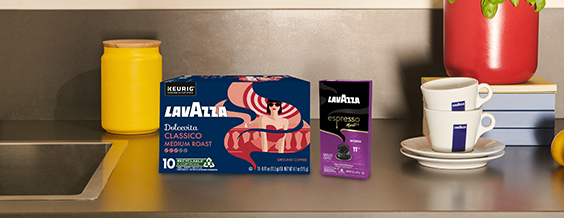
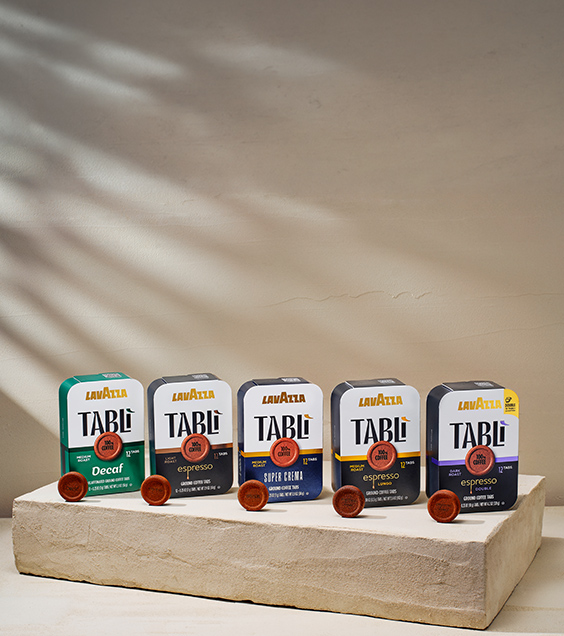
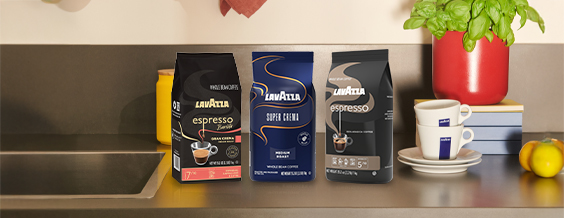
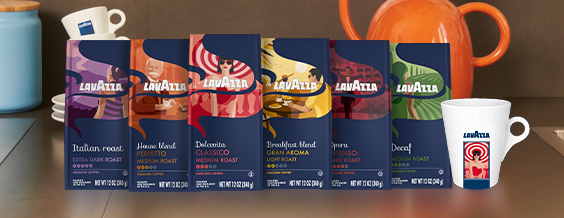
For Lavazza, a company founded in Turin in 1895 and part of Italian coffee culture for over a century, this relationship between coffee and daily life has always been the core of the work. Blending is not simply a technical act. It is an attempt to translate a culture into a cup. Whether you encounter Lavazza at a bar in Turin, a kitchen in New York, or an office in São Paulo, the intention is the same: to bring the precision, warmth, and social meaning of Italian coffee into your day.