20% OFF coffee with code DAD20 | Free Automobili Lamborghini Espresso Set on orders $199+
Back
ALT alt

Making Espresso at Home: The Moka Pot Guide

By the Lavazza Team 2–3 minutes

Everything you need to brew strong, aromatic stovetop coffee, with the science to back it up.

What is espresso? A brief history of the preparation

Espresso is not simply strong coffee; it is a specific brewing method defined by pressure. Developed in early 20th-century Italy, espresso was produced by forcing hot water through finely-ground, tightly packed coffee at a pressure of 9 bars, extracting a thick, concentrated shot in 25 to 30 seconds. The result: a small, intensely flavored brew topped with a light brown emulsion of oils and CO₂, known as the crema.

For most of the 20th century, this experience was confined to the bar, the Italian neighborhood coffee counter. Then, in 1933, the stovetop brewer was invented to attain the same results at home, the Moka Express. Within decades, it became the most common coffee maker in Italian households, and a global icon of domestic coffee culture.

Today, the moka pot sits at the intersection of two worlds: the old Italian kitchen ritual and the modern specialty coffee movement.

Moka Pot vs. Espresso Machine: what's actually different?

Despite being marketed internationally as a "stovetop espresso maker," the moka pot does not produce true espresso by the technical definition. The difference is primarily due to pressure, and pressure changes everything about the extraction.

Parameter

Espresso Machine

Moka Pot

Brewing pressure

8-10 bars (pump-driven)

1-2 bars (steam pressure)

Extraction temperature

194-205°F

~190-203°F at the puck, variable

Brew time

25-30 seconds

3-5 minutes

Crema

Yes, stable, persistent

No, minimal CO₂ foam only

TDS / concentration

Very high (8-12%)

High, but lower than espresso

Grind size

Extra-fine

Medium-fine (table salt texture)

Tamping required

Yes

Never


What the moka pot does produce is a strong, full-bodied, highly aromatic coffee that is distinctly Italian in character. It is closer to espresso than any other home-brewing method, but with its own identity.

How to brew with the moka pot: a step-by-step guide

A 3-cup moka pot is the ideal size for honing your technique. The following recipe is designed for precision; with ratios and parameters you can adjust as you get a feel for your specific setup and stovetop.
 

What you need:

  • 3-cup moka pot
  • Kitchen scale
  • Burr grinder (recommended)
  • Kettle

Coffee-to-water ratio: 1:6, approximately 20g coffee to 120ml water.
 

Step 1: Pre-heat your water

Bring water to a boil in a kettle, then let it sit for 30-60 seconds. You want it hot but not at a rolling boil, targeting 195–205°F. Using pre-heated water is the single most important technique for avoiding a bitter, burnt-tasting coffee.
 

Step 2: Attain a medium-fine, fresh grind

Grind 20g of coffee to a medium-fine consistency, comparable to table salt. You want it to be finer than a pour-over grind, but coarser than espresso. Too fine and you'll over-extract (resulting in a bitter, muddy finish); too coarse and you'll under-extract (weak, sour). For Lavazza blends, the pre-ground options labeled for moka are calibrated to this texture.
 

Step 3: Fill the lower chamber to the safety valve

Pour 120ml of pre-heated water into the bottom chamber, filling it to just below the safety valve, never above it. The valve is a pressure-release mechanism, not a fill guide; submerging it disrupts the pressure balance and can be unsafe.
 

Step 4: Load the basket, level, but never tamp

Add your ground coffee to the filter basket, filling it to form a natural mound. While the famous Italian "montagnetta" (the little mountain of coffee) is considered traditional. For the most even and scientific extraction, a simple, level fill works best.

Level the grounds by tapping the basket gently on the counter or running a straight edge across the top. Do not tamp or press down. Unlike espresso, the moka pot relies on free water flow through the grounds; any compression restricts that flow, spikes the pressure, and can cause over-extraction.
 

Step 5: Assemble and place on medium-low heat

Use a kitchen towel to handle the hot bottom chamber. Screw on the top firmly. Place on the smallest burner available, set to medium-low heat. Leave the lid open so you can monitor the brew. High heat is the enemy; it causes rapid, uneven pressure that scorches the grounds.
 

Step 6: Watch the flow, remove at the gurgle

A steady stream of dark coffee will begin flowing into the upper chamber after 2-3 minutes. As long as the flow is consistent and smooth, keep the heat on. The moment the stream begins to sputter, or you hear the characteristic gurgling sound, remove the pot from the heat immediately. This signals that the water in the lower chamber is nearly exhausted. Continuing contact with heat will push steam through the grounds, producing a harsher, over-extracted coffee.
 

Step 7: Stop the extraction, then pour

Place the base under cold running water for 10–15 seconds to halt the brewing process. This prevents residual heat from continuing the extraction after you've removed the pot from the stove. Stir the coffee briefly in the upper chamber before serving. The first coffee out is more concentrated than the last, so a quick stir evens out the cup.

The science behind the brew: why these steps matter

Why use pre-heated water?

Starting with cold water forces the moka pot to heat everything from scratch on the stovetop, including the ground coffee sitting in the basket. During those minutes before the water reaches extraction temperature, the grounds are exposed to dry heat, which degrades volatile aromatics and creates the burnt, metallic notes many people associate with moka pot coffee. Pre-heated water shortens stove time significantly and keeps the extraction temperature closer to the Specialty Coffee Association (SCA)'s recommended range.

Pressure and extraction

At 1-2 bars, the moka pot generates enough pressure to push hot water through the coffee puck, but the extraction profile differs fundamentally from espresso's 9-bar, 30-second burst. The slower, lower-pressure flow extracts different soluble compounds, producing a fuller-bodied but less texturally complex cup, with minimal emulsification of oils (hence no true crema). This is not a defect; it's the nature of the method.
 

Why not tamp?

Tamping in an espresso machine compresses grounds to create the resistance needed for 9 bars of pump pressure to produce a controlled 30-second extraction. In a moka pot, that same resistance, with only 1–2 bars behind it, slows the flow to a near-stop. Pressure builds, the safety valve activates, and the result is an over-extracted, bitter brew. Level the grounds gently, and let physics do the work.
 

Medium-low heat: the golden rule

High heat creates rapid, uneven steam pressure. As a result, water rushes through the grounds too quickly and at too high a temperature, producing over-extraction and harsh flavors. Medium-low heat builds pressure gradually, giving you a slow, steady flow that extracts the coffee evenly, and gives you time to pull the pot at exactly the right moment, when the flow is still clean and before the sputtering phase begins.
 

The safety valve

The small metal valve on the side of the lower chamber is a critical safety and performance component. It releases excess pressure if the pot becomes blocked. Always fill water below the valve, not above it, and check it regularly for blockages (a coffee ground or mineral deposit can clog it). A clean, functional valve is what keeps the moka pot both safe and predictable.
 

Aluminum vs. stainless steel

Traditional moka pots are aluminum, an excellent heat conductor that heats quickly and evenly. Over time, aluminum develops an interior patina of polymerized coffee oils that acts as a protective layer. Stainless steel is more durable, corrosion-resistant, and compatible with induction stovetops, but conducts heat more slowly and can create hot spots. Both produce excellent coffee; the choice often comes down to stovetop type, maintenance preference, and whether you value the classic Italian aesthetic.

How to clean your moka pot: two schools of thought

Cleaning the moka pot is one of the most debated topics in Italian coffee culture. The traditional Italian approach and modern specialty coffee practice offer different philosophies. Here is an honest comparison.
 

Traditional Italian method: rinse only, preserve the patina

  • Rinse all parts with hot water only, no soap ordetergent
  • Discard grounds, rinse basket and chambers with warm water
  • Dry thoroughly before reassembling
  • Allow aluminum to develop an interior patina of coffee oils over time
  • Never use the dishwasher, heat and detergent will warp gaskets and strip the seasoning
  • Replace the rubber gasket when it becomes brittle or cracked (every 1–2 years)

The rationale: the polymerized oil layer prevents aluminum from imparting a metallic taste and is part of the brewer's "conditioning" over time.
 

Specialty coffee approach: mild soap, full clean

  • Disassemble the moka pot completely after each use
  • Wash with a neutral, fragrance-free dish soap and a soft sponge
  • Rinse all parts thoroughly, leaving no soap residue
  • Air-dry completely before reassembling to prevent mold
  • Clean the safety valve and gasket groove weekly
  • Descale monthly with a light citric acid or lemon-water solution if using hard tap water

The rationale: coffee oils can go rancid over time, imparting stale, bitter notes, especially in warm climates. Regular cleaning ensures the brew reflects the coffee, not the vessel.
 

Gasket and safety valve: don't overlook these

The rubber gasket sits between the two chambers and creates the seal necessary for pressure to build properly. Over time it hardens, discolors, or cracks, when it does, replace it. Replacement gaskets for standard pots are widely available and inexpensive. The safety valve should be checked monthly: remove it, rinse it, and confirm it moves freely. A clogged valve is a safety hazard.

Technical brewing parameters referenced against SCA extraction standards and multiple specialty coffee sources. Pressure data sourced from peer-reviewed brewing science literature. Cleaning recommendations reflect both Italian tradition and current SCA-certified barista guidance.

Moka pot troubleshooting: Frequently Asked Questions

Why is my Moka pot sputtering and splashing?

If your coffee is aggressively spitting out of the central column rather than flowing smoothly, your heat is too high, or you left it on the stove for too long, lower the burner to medium-low and remember to remove the pot exactly when the smooth flow ends and the gurgling begins.
 

Can I use an espresso grindin a Moka pot?

It is generally not recommended. True espresso grounds are extra-fine and will clog the Moka pot's filter basket, causing dangerous pressure buildup and an over-extracted, bitter taste. Always look for a "medium-fine" grind.
 

Why does my coffee taste bitter and burnt?

This usually happens for three reasons: using cold water in the base (which bakes the grounds on the stove), leaving the pot on the heat after the gurgling starts, or tamping the coffee in the basket. Follow our step-by-step guide above, and your coffee will be naturally sweet and rich.

Explore our best recipes with your moka pot


Choose the best coffee for your recipes

Espresso Ground Coffee

Ground Coffee

Espresso Ground Coffee

Intensity 5/10

$22.99

8 oz
1
Qualità Oro Ground Coffee

Ground Coffee

Qualità Oro Ground Coffee

Intensity 5/10

$12.99

8.8 oz
1
Crema e Gusto Ground Coffee

Ground Coffee

Crema e Gusto Ground Coffee

Intensity 7/10

$8.99

8.8 oz
1
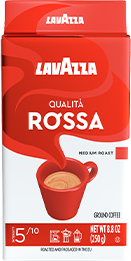
Qualità Rossa Ground Coffee

Ground Coffee

Qualità Rossa Ground Coffee

Intensity 5/10

$8.99

8.8 oz
1

DELIVERY

Fast delivery on all orders. Free delivery on orders over $50

Updates and promotions

Subscribe to our newsletter for updates and special promotions

Customer service

Do you need any help? Check out our FAQs or contact us

EVENTS

Learn more about our events in the USA. Don’t miss out!