Fourth of July: 25% OFF Coffee with code USA25 + FREE Travel Mug on Orders $250+ 
Back
latte art latte art

Latte art at home: a beginner's guide

By the Lavazza Team 2–3 minutes

Latte art transforms your morning coffee into something worth pausing for. That smooth, white design floating on your espresso; a heart, a tulip, a rosette, isn't just decoration, it's proof that the milk was steamed correctly. And yes, you can do it at home.

This guide will walk you through everything you need to create latte art at home, from equipment to technique, with the science to back it up.

What is latte art?

Latte art is created by pouring properly steamed milk into a shot of espresso. When the milk is textured correctly, the foam floats on top of the darker espresso crema, allowing you to shape it into patterns as you pour. The design only appears when both the espresso and the milk are done correctly. That's what makes it a genuine quality signal, not just visually appealing.

What do you need to make latte art at home?

The espresso base

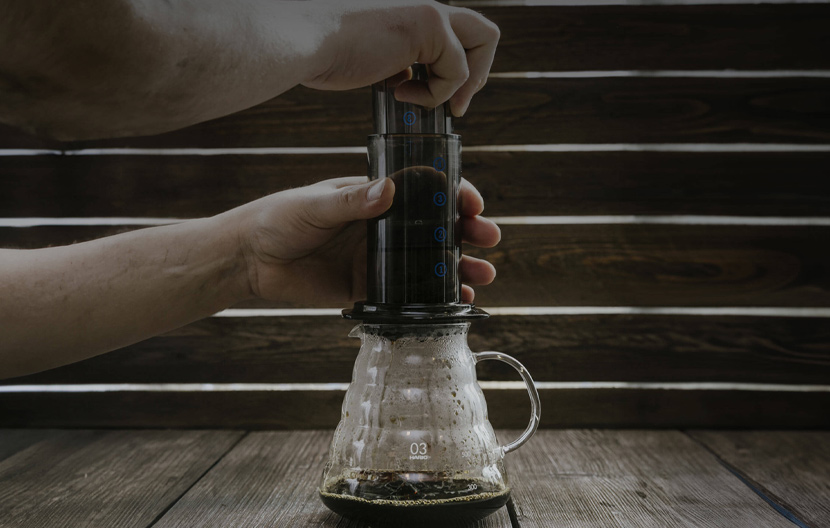
You need a concentrated, crema-rich espresso shot as your canvas. A traditional espresso machine is ideal, but a Moka pot or an AeroPress work fine as alternatives. Avoid drip or pour-over: the consistency is too thin and diluted to support the heavy milk foam.

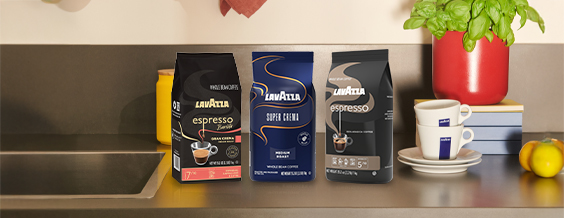
The Lavazza Tip: For the best contrast and flavor, reach for a medium-dark roast with a good body. Blends like Lavazza Super Crema, with rich aromatic notes of roasted hazelnut and brown sugar, is a solid choice for beautiful latte art.

The milk

Whole dairy milk is the gold standard for latte art. Its perfect balance of fat and protein creates a stable, velvety microfoam that pours like liquid paint. If you prefer a plant-based option, oat milk is the most reliable alternative, but always look for a "barista edition," which is specifically formulated to froth well and resist curdling when it hits hot espresso. Soy milk also works, though it foams quickly. Almond milk produces thinner, less stable foam and is the most challenging to work with.

The equipment

  • Stainless steel milk pitcher with a narrow pour spout (12–16 oz for a single drink).
  • Espresso machine with a steam wand (alternatively, a handheld frother or a French press for a manual hack).
  • A thermometer (recommended for beginners).
  • A wide, round-rimmed cup (cappuccino-style) for better visibility and control.

The science behind microfoam

Before getting into technique, it helps to understand what you're actually doing when you steam milk.

Milk contains proteins, fats, and natural sugars (lactose). When you introduce steam, two things happen simultaneously: you're adding air to create foam, and you're heating the liquid. The proteins (mainly casein and whey) unwind as they warm up and wrap around the air bubbles you've introduced, stabilizing them into the fine, glossy texture known as microfoam.

The critical window is 140–150°F. Within this range, the sugars in the milk caramelize slightly, which is why well-steamed milk tastes noticeably sweeter than cold milk straight from the carton. Above 155°F, whey proteins begin to decompose: the foam becomes unstable, large bubbles form, and that natural sweetness disappears. Push past 160°F and the milk starts to taste flat or slightly burnt.

This is why a thermometer matters, especially at first. Stop steaming 3-5 degrees before your target. The temperature continues to rise in the pitcher even after you pull away from the wand.

How to steam milk for your latte art

Steaming milk for latte art is a two-step process. Most beginners treat it as one action; keeping the two phases distinct is what separates good texture from great texture.

Phase 1: Aeration (Stretching)

Start with cold milk (cold milk gives you more time to work before hitting temperature). Submerge the steam wand just below the surface and open the steam fully. You want to hear a steady, papery hiss (like tearing paper): this means air is being incorporated. Keep it at that level for 2–3 seconds, watching the milk volume increase by roughly one-third. If it sounds like a loud scream, the wand is too far out. If there's no sound at all, it's too deep.

Phase 2: Texturization (Rolling)

Once you've introduced enough air, submerge the wand slightly deeper and tilt the pitcher to create a vortex, a spinning whirlpool motion. This breaks down any large bubbles and integrates the foam evenly into the milk, producing that smooth, "wet paint" consistency. Continue until you hit your target temperature. The finished milk should look glossy and uniform, with no visible bubbles on the surface.

When you're done, give the pitcher a few firm taps on the counter to pop any remaining large bubbles, then swirl it gently to maintain the texture. Pour within 20-30 seconds, as the microfoam starts to separate quickly.

Creating the milk art

Before you pour, tilt your coffee cup slightly toward you. Start pouring from about 4 inches above the surface: this lets the milk sink below the espresso crema and mix in without washing out the dark canvas. Once the cup is about one-third full, lower the pitcher until it is almost touching the surface of the coffee to let the white foam begin to slide out and float.

Heart latte art

The heart is the perfect place to start. Lower the pitcher close to the surface and pour steadily into the center of the cup, letting a solid, white circle form. Once the circle is large enough, raise the pitcher slightly and draw a quick, confident line straight through the center toward the opposite rim. That cut-through creates the bottom point of the heart.

Tulip latte art

The tulip is built in layers. Pour a small white dot into the center, then briefly lift the pitcher to interrupt the flow. Pour a second dot just behind the first, you'll see the first one wrap around the new foam. Repeat for a third layer if the cup size allows, then finish with a straight line pulled through all the layers toward the rim.

Rosette latte art

Start like you would for a heart, but once the pitcher is close to the surface and the foam starts to appear, begin a gentle side-to-side wiggling motion while slowly pulling the pitcher back toward the far rim of the cup. The wiggling motion creates the leaf pattern. Once you've reached the edge, raise the pitcher and draw one clean line back through the center to finish.

A few important tips for perfect latte art

  • Use cold milk: It gives you more time in the aeration phase before you hit temperature. Milk that's already warm or at room temperature rushes through the ideal temperature window too fast.
  • Practice the pour separately from the steam: Once you have decent texture, spend time just working on the pour motion. You can practice with water and a drop of dish soap in the pitcher to simulate foam behavior without wasting milk.
  • Start with the heart, every time: The same fundamental motion, lowering the pitcher, letting foam rise, cutting through, is the foundation for both the tulip and the rosette. Get the heart consistent before moving on.
  • Don't rush the finish: The final cut-through line is where most beginners lose the design. Move with confidence and keep the flow steady.

Remember: practice makes perfect! There are many things to learn before you can perfectly create a coffee art painting, but practice is key. Doing manual latte art isn’t the only way to make art with coffee. You can also make coffee stencil art, which only requires you to put a stencil over the cup and sift powdered chocolate or cinnamon to make drawings above the foam.

Latte art troubleshooting: FAQs

Why does my milk just sink to the bottom of the cup?

If your white foam isn't floating, you are either pouring from too high up (which forces the milk under the crema), or you didn't introduce enough air during the "Aeration" phase of steaming. Remember to lower the pitcher so it almost touches the coffee surface when you want the design to appear.

Why is my latte art blurry or washed out?

This usually happens when the espresso crema is too thin, or if you pour the milk too aggressively at the beginning, destroying the dark canvas. Always start with a slow, high pour to establish a solid base before lowering the pitcher.

Can I practice latte art without wasting coffee and milk?

Yes! Professional baristas use a simple trick: fill your cup with water and add a few drops of dark soy sauce or food coloring to simulate the espresso crema. For the milk, fill your pitcher with cold water and add a single drop of dish soap. Steam it exactly like milk—it will create a microfoam texture perfect for practicing your pouring motions!

Can I froth milk for latte art without a steam wand?

While a steam wand is the only way to get perfect microfoam, you can achieve a good home-alternative using a French press. Heat your milk on the stove to 140°F, pour it into the French press, and pump the plunger up and down rapidly for about 30 seconds until it doubles in volume and looks glossy. Swirl it to integrate the bubbles, and pour!

Good latte art is the result of good milk texture, not the other way around. Get the steam right, and the pour will start to make sense quickly. The first few attempts will likely look more like abstract blobs than perfect hearts, and that's exactly as it should be. Keep practicing, and enjoy your coffee!

Choose the best coffee base for your latte art

Super Crema Whole Bean

Coffee Beans

Super Crema Whole Bean

$26.99

2.2 lb
1
Crema e Aroma Whole Bean

Coffee Beans

Crema e Aroma Whole Bean

Intensity 8/10

$24.99

2.2 lb
1
Crema e Gusto Whole Bean

Coffee Beans

Crema e Gusto Whole Bean

Intensity 7/10

$24.99

2.2 lb
1
Qualità Rossa Whole Bean

Coffee Beans

Qualità Rossa Whole Bean

Intensity 5/10

$24.99

2.2 lb
1

DELIVERY

Fast delivery on all orders. Free delivery on orders over $50

Updates and promotions

Subscribe to our newsletter for updates and special promotions

Customer service

Do you need any help? Check out our FAQs or contact us

EVENTS

Learn more about our events in the USA. Don’t miss out!