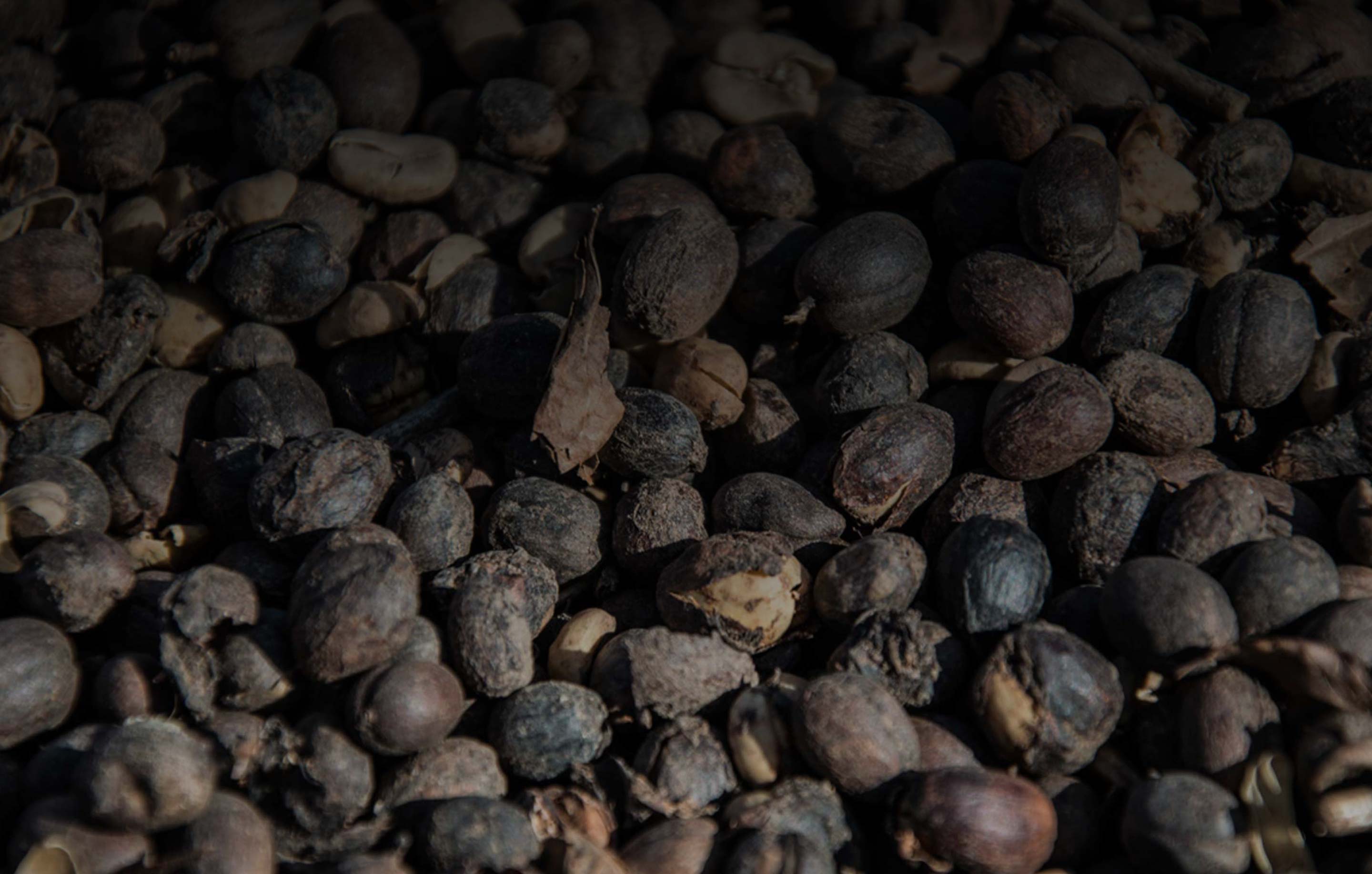
Arabica is a demanding crop. It thrives in a relatively narrow climatic band known as the Coffee Belt, in between the Tropics of Cancer and Capricorn. Altitude is another key component to its growth. The ideal range sits between 2,000 and 6,600 feet above sea level, with the finest crops often coming from 4,000 feet and higher.
Altitude matters for a specific biochemical reason. Cooler temperatures at elevation slow the maturation of the coffee cherry. A cherry that takes longer to ripen has more time to develop complex sugars, organic acids, and the aromatic precursors that translate into flavor complexity. Stronger UV radiation at high altitude boosts photosynthesis, feeding more stored sugars into the seed. Reduced nighttime oxygen levels slow the plant's metabolic rate. This means the sugars and acids already developed are not burned off before harvest. The result is a denser, sweeter, and more structurally complex bean.
The world's most celebrated Arabica origins reflect this logic. Ethiopia (particularly Yirgacheffe and Sidama, cultivated between 5,600 and 7,200 feet), Kenya (Nyeri and Kirinyaga, often above 5,200 feet), Colombia (the Huila and Nariño departments, frequently above 5,600 feet), and Guatemala (Antigua and Huehuetenango) all produce coffees whose complexity is inseparable from altitude-driven, slow-ripening conditions.